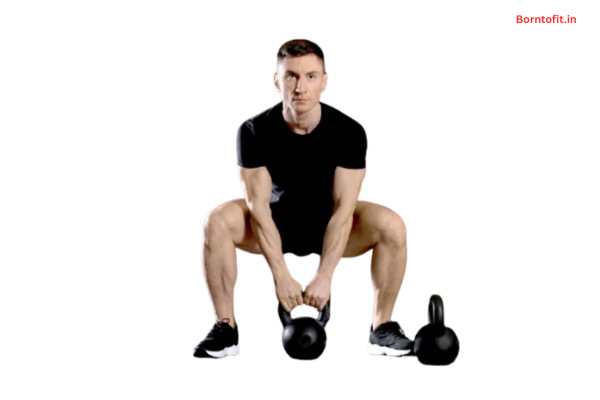
Kettlebell training has quietly become one of the most impactful tools for fitness people looking to level up strength, endurance, and overall functional performance without spending hours in the gym. A kettlebell is a cast-iron or coated weight with a handle attached to the top, giving it a unique center of mass that sits away from your hand. This shape allows movements that feel different from traditional dumbbells and lets you train explosively and efficiently.
In recent years, trainers and researchers have taken a deeper look at what kettlebells can do for people’s bodies. Studies suggest that kettlebell workouts can match the cardiovascular intensity of high-intensity interval training, with heart rates reaching over 90% of max during snatch sessions, showing the potential for both strength and cardio benefits. Other research highlights that kettlebell training can improve strength, endurance, and metabolic responses, making it a valuable option whether you’re at home, in a gym, or short on time.
This article is for fitness peoples who want a straightforward explanation of what a kettlebell is, why so many athletes and regular trainers are using them, and how you can transform your workouts starting today.
What Exactly Is a Kettlebell and How Is It Different from Dumbbells?
A kettlebell looks like a cannonball with a handle — simple, but incredibly effective. What sets it apart from a dumbbell is the offset center of mass, which shifts the weight out in front of your hand instead of being balanced on either side.
This design matters. With kettlebells, every movement requires more stability, forcing your core, hips, and shoulders to work together. In contrast, dumbbells offer a more balanced load that’s ideal for isolated strength moves. Because kettlebells demand control and coordination, exercises like swings, snatches, and Turkish get-ups develop full-body power, not just isolated muscle strength.
Best Kettlebells for Full-Body Strength Training in 2026: Top 5 Picks
Top Science-Backed Benefits of Kettlebell Training for Strength and Fat Loss:
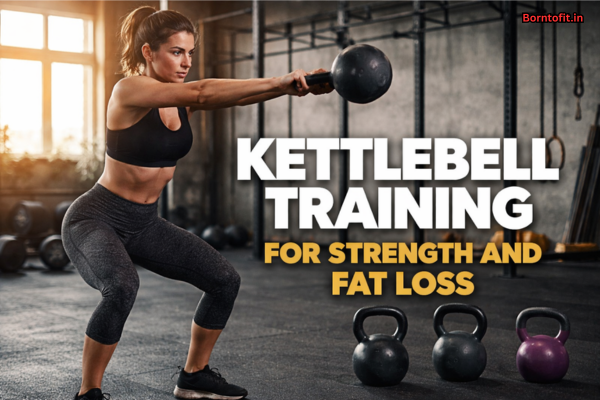
Fitness professionals often praise kettlebell training for combining strength and cardiovascular training in one tool. Research and expert organizations have weighed in:
- High calorie burn: A study by the American Council on Exercise found that kettlebell workouts can burn up to 20 calories per minute, which is similar to running at a fast pace, making kettlebell training both strength and cardio in one session.
- Improves full-body functional fitness: Multiple studies show kettlebell training enhances strength, endurance, flexibility, and muscular coordination because movements recruit multiple muscle groups simultaneously.
- Strength and power gains: Research on kettlebell training programs demonstrates improvements in athletic performance markers like strength and explosive power.
Compared with traditional resistance training, kettlebell training provides a unique blend of strength, cardiovascular stimulus, and functional movement that can boost fat loss and muscle engagement all in shorter sessions.
How Kettlebell Workouts Improve Functional Fitness and Everyday Movement:
Functional fitness refers to the kind of strength you use in real life — lifting, carrying, bending, pushing, and pulling. Kettlebell movements are rarely isolated; rather, they mirror real-world actions.
Take the kettlebell swing — it engages your hips, glutes, core, lats, and cardiovascular system all at once. According to research, kettlebell swings can elevate heart rate into the “hard” cardio zone and recruit multiple muscle groups while improving explosive power and endurance.
Even simple kettlebell squats or presses require stabilizing muscles around your joints, making everyday lifting and posture better over time.
Beginner-Friendly Kettlebell Exercises to Start Your Fitness Journey:
For fitness people just starting kettlebell training, these moves are foundational:
- Kettlebell Deadlift – teaches hip hinge mechanics and builds strength in your posterior chain.
- Kettlebell Swing – core foundational movement for power and cardio fitness.
- Goblet Squat – perfect for building lower body strength with core stability.
- Kettlebell Press – shoulder and upper body strength with stability demand.
- Weighted Carries – excellent for building overall strength and endurance.
Focus on form first — quality reps beat quantity every time. Once you’re comfortable, you can embed these into circuits for strength + conditioning workouts.
Advanced Kettlebell Movements to Build Power, Endurance, and Conditioning:
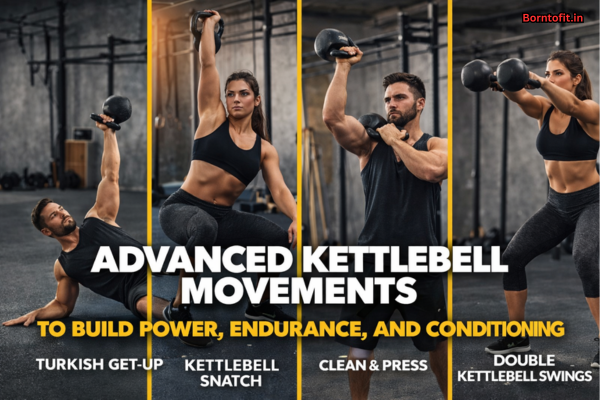
When you’ve mastered the basics, advanced kettlebell exercises can add power and performance components:
- Turkish Get-Up: Builds core strength, shoulder stability, and full-body coordination.
- Kettlebell Snatch: High calorie burn and explosive power development.
- Clean and Press: Combines strength, coordination, and metabolic conditioning.
- Double Kettlebell Swings: For experienced users, enhancing bilateral power and workload.
These movements are challenging and excellent for strong fitness people wanting to push strength and conditioning further.
Kettlebell Workouts for Weight Loss: How They Boost Metabolism and Burn Calories
Kettlebell training isn’t just about strength — it’s also a great way to torch calories and boost metabolism. Research shows kettlebell workouts can burn calories at rates comparable to high-intensity interval training, making them efficient for weight loss and fat reduction.
What makes kettlebell training effective for weight loss?
- High intensity in short durations
- Multiple muscle groups engaged
- Elevated heart rate that stays elevated post-workout
For example, combining swings, presses, and squats in a circuit can keep your body in a fat-burning state long after your session ends.
Full-Body vs Split Training: How to Structure Your Kettlebell Workout Routine
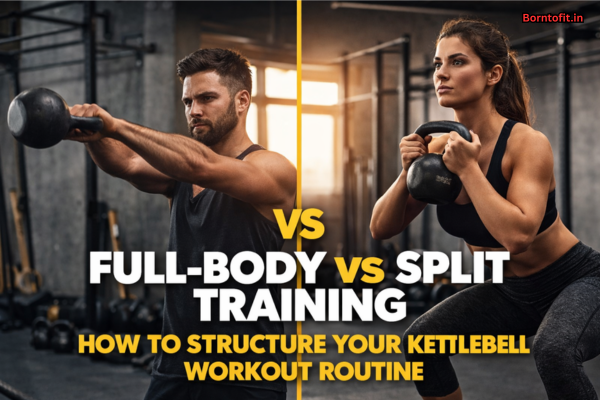
Building an effective kettlebell routine depends on your goals:
✔ Full Body (3×/week):
Best for fat loss, functional fitness, and overall development — combine swings, squats, presses, and carries in one workout.
✔ Split Training (4–5×/week):
Focus specific days on lower body, upper body, and conditioning circuits using kettlebells and other tools.
For fitness people aiming to transform strength and physique in 2026, balancing full-body kettlebell days with recovery and mobility work ensures consistent progress without overtraining.
Common Kettlebell Form Mistakes and How to Avoid Injuries:
Here are mistakes many beginners and even experienced trainers make:
❌ Rounding the Back During Swings
Solution: Hinge at the hips, keep your core tight, and extend your hips forward.
❌ Using Arms Instead of Hips
Solution: For swings and snatches, drive through the hips — the arms guide, not lift.
❌ Too Heavy Too Soon
Solution: Start with manageable weight and build technical proficiency before loading up.
Safe form prevents injury and ensures you get benefits instead of burs or strains.
How to Choose the Right Kettlebell Weight and Material for Your Fitness Level:
Picking the right kettlebell can make or break your progress:
✔ Beginners: 8–16 kg (women) / 12–20 kg (men) are good starting points.
✔ Progressors: Increase weight gradually as you master movements.
✔ Materials:
- Cast Iron: Durable and balanced.
- Coated: Protects floors, good for home gyms.
Remember, weight isn’t everything — control and form matter most.
Who Should Use Kettlebells? Athletes, Beginners, Seniors, and Home Workout Lovers
Kettlebells are versatile tools that suit many people:
- Athletes: Improve power, endurance, and explosive strength.
- Beginners: Build foundations and burn calories efficiently.
- Seniors: Functional strength and balance training (light weights, careful form).
- Home Workout Lovers: Minimal equipment, maximum results.
With modifications and progressions available, kettlebells can fit nearly every fitness profile.
FAQs – Kettlebell
Q1: Can kettlebell training replace cardio?
👉Yes. Kettlebell circuits and swings can elevate heart rate similar to traditional cardio while building strength.
Q2: Are kettlebells better than dumbbells?
👉Not “better,” but kettlebells offer unique functional and cardiovascular benefits due to their shape and dynamic movements.
Q3: How often should I train with kettlebells?
👉2–4 sessions a week is effective for most fitness goals, combined with rest and recovery.
Conclusion:
Kettlebells are more than a quirky weight — they’re a scientific, efficient way to build strength, burn calories, and improve functional fitness for all levels of fitness people. Whether you’re just starting out or chasing advanced performance in 2026, kettlebell training offers a compact tool that elevates your workouts and helps you reach your goals faster.
Are you ready to add kettlebells to your training routine and transform your workouts this year?