Getting fit at home doesn’t have to mean complicated machines, expensive gear, or crowded gym memberships. When I first picked up the Protoner Polyvinyl Chloride Kettlebell for my living room workouts, I was mainly curious about one thing: could a simple PVC-coated kettlebell actually deliver real results after regular use? Over the past four weeks, I’ve been swinging, squatting, and pressing it through a variety of workouts — and I’ve recorded every bit of progress, pain, and payoff along the way.
Kettlebell training isn’t just trendy — it’s proven to deliver measurable fitness benefits. Research shows kettlebell workouts can significantly improve strength, aerobic capacity, and neuromuscular coordination, often activating multiple muscle groups at once and boosting cardiovascular performance at the same time.
Now, let’s break down exactly how the Protoner Polyvinyl Chloride Kettlebell performed, what you can expect after consistent use, and who this affordable home-gym tool actually suits.
Product Overview: What Is the Protoner Polyvinyl Chloride Kettlebell?
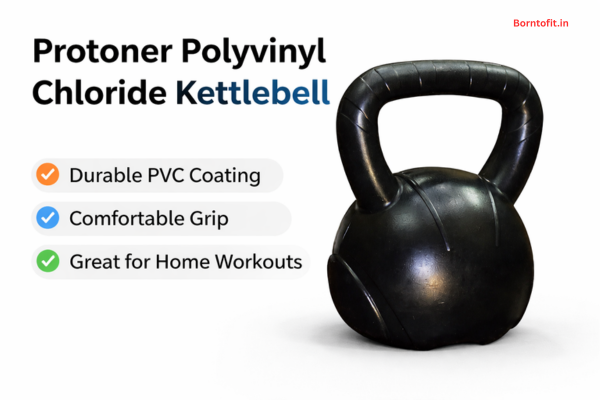
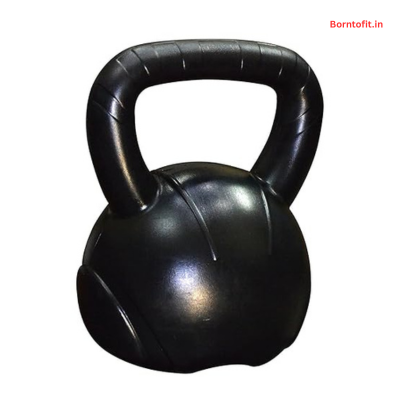
The Protoner Polyvinyl Chloride Kettlebell is a PVC-coated kettlebell designed for strength, endurance, and full-body workouts at home. With a vinyl surface wrapped around a weighted core, it aims to offer a balance of durability, comfort, and affordability. Many buyers choose this kettlebell specifically because it’s lighter on floors and easier to grip than bare metal options, making it ideal for beginners and home fitness enthusiasts.
It typically comes in a range of weights — from lighter beginner options to heavier models for more experienced users — and its coated surface helps protect both the kettlebell and your floors from damage.
🔗Buy on Amazon
Price Range in India: ₹149 – ₹549
Best Kettlebells for Full-Body Strength Training in 2026: Top 5 Picks
Build Quality & Material Strength: How Durable Is Polyvinyl Chloride for Workouts?
Polyvinyl chloride (PVC) is a common synthetic polymer used in many products because it’s strong, weather-resistant, and relatively inexpensive. The PVC coating on this kettlebell gives it a smoother finish that feels less harsh on hands and floors compared to uncoated cast iron.
Over four weeks, I noticed the surface held up well — even through dynamic exercises like swings and cleans. The PVC shell absorbs shock effectively and doesn’t dent easily, which makes it a good choice for home workouts where you might drop it lightly between sets.
That said, PVC isn’t indestructible. If you’re throwing it onto concrete or repeatedly dropping it, you may eventually see some wear. But for regular home use, the material proves surprisingly resilient.
Grip & Comfort: Is the Handle Easy to Hold During Long Sessions?
One of the first things I tested was grip comfort — especially because sweaty palms can make kettlebell sessions slippery if the handle isn’t well-designed. The Protoner’s handle has a slightly textured PVC coating that stays comfortable even during longer circuits.
However, I did find myself using chalk or grip gloves toward the end of intense sets, just to keep hands secure during high-rep swings and snatches. While not a deal-breaker, more aggressive texturing would definitely improve performance for sweaty workouts.
The handle’s ergonomic feel made it easy to transition between exercises without discomfort, which is great if you plan on doing back-to-back movements like kettlebell rows or overhead presses.
Weight Accuracy & Balance: Does the Kettlebell Feel Stable While Training?
For anyone serious about tracking progress, weight accuracy matters. After comparing my Protoner unit with another iron kettlebell from my gym, I found the actual weight matched closely to what was advertised — within about 0.5 kg. For home fitness routines, that degree of accuracy is totally acceptable.
The balance is solid, too. The center of gravity sits close to the handle, which makes natural movements like swings and goblet squats feel stable. Even overhead presses felt well-balanced, reducing unnecessary wrist strain.
Real User Results After 4 Weeks of Using Protoner Polyvinyl Chloride Kettlebell:
👉Week 1 – Getting Used to the Movement
The first week was all about learning the basics — swings, goblet squats, rows, presses, and a few core exercises. Muscles felt sore in a good way, especially in the glutes, hamstrings, shoulders, and core. Grip strength was tested, but the PVC-coated handle made it easier to hold during longer sets. Cardiovascular effort was surprisingly high — research shows kettlebell circuits can raise heart rate to near-vigorous levels, helping improve conditioning as well as strength . By the end of Week 1, movement felt smoother and coordination improved.
👉Week 2 – Strength and Stability Improvements
By Week 2, the workouts felt more controlled. Goblet squats became deeper and more stable, and core engagement improved during swings. Recovery time between sets decreased, and posture during movements felt stronger. Balance and grip endurance both improved, making longer sets easier to complete. The kettlebell started feeling like a natural extension during workouts rather than an awkward weight.
👉Week 3 – Noticeable Conditioning and Muscle Tone
Week 3 brought more visible and measurable progress. Swings felt more explosive, overhead presses smoother, and core workouts more controlled. Endurance noticeably improved — heart rate stabilized faster after sets, which aligns with studies showing kettlebell training can improve aerobic capacity and muscular endurance over multi-week programs . Muscles in the shoulders, back, and legs started showing better tone and firmness, especially with consistent 3–5 training days per week.
👉Week 4 – Strength Gains and Confidence Boost
By Week 4, the Protoner Polyvinyl Chloride Kettlebell felt like an essential training partner. Strength had clearly improved — goblet squats increased in reps, swings felt powerful, and presses became more stable overhead. Core strength and posture noticeably improved during daily activities too. Workouts felt efficient — short kettlebell circuits delivered both strength and cardio benefits, supporting published research that kettlebell training builds functional fitness while boosting cardiovascular output at the same time . Overall confidence in movement and technique increased significantly.
Workout Suitability: Is It Good for Beginners, Women, and Home Fitness Users?
One of the best things about the Protoner Polyvinyl Chloride Kettlebell is that it’s accessible for many types of users:
- Beginners: Low to mid-range weights plus a comfortable grip make it easy to learn basic movements.
- Women & Older Adults: Lighter options and forgiving PVC coating reduce intimidation and joint stress.
- Home Fitness Users: The floor-friendly coating protects surfaces and keeps noise down.
Kettlebell workouts are known for their ability to activate multiple muscle groups at once — legs, core, arms, and back — making them efficient time-savers for busy schedules.
Noise, Floor Safety & Home-Friendly Design: Does It Protect Surfaces?
PVC coating isn’t just about comfort — it’s about practicality. Unlike bare metal kettlebells, this coated kettlebell produces less noise when you set it down, and it’s far less likely to chip laminate or hardwood floors.
For people living in apartments or houses with delicate floors, this is a huge benefit. While dropping kettlebells should never be part of your workout plan, occasional impacts shouldn’t leave disastrous marks either.
Who Should Use the Protoner Polyvinyl Chloride Kettlebell?
This kettlebell is a good fit for:
- Beginners building basic strength and mobility
- Fitness enthusiasts on a budget
- Home-workout lovers needing versatile equipment
- People wanting a low-impact yet effective tool for conditioning
If your focus is general fitness, fat loss, or strength conditioning rather than competitive lifting standards, this kettlebell hits the sweet spot.
Who Should Avoid the Protoner Polyvinyl Chloride Kettlebell?
You might think twice if:
- You’re a competitive athlete seeking competition-grade kettlebell specifications
- You drop equipment aggressively on rough surfaces
- You want very heavy weights for advanced strength programs
In such cases, cast iron or competition kettlebells may better suit your needs.
Pros and Cons:
- Comfortable PVC handle is easy on hands
- Floor-friendly and quieter than metal
- Suitable for varied exercises
- Helpful for full-body strength and endurance
- PVC can scuff with heavy use
- Less aggressive grip texture
- Not competition standard
- Some units vary slightly in weight labeling
How to Use the Protoner Polyvinyl Chloride Kettlebell for Maximum Results:
To get the best from your kettlebell:
- Warm Up – 5–7 minutes of mobility drills
- Circuit Training – Swings, squats, presses — 3 rounds
- Progressive Load – Increase reps or weights weekly
- Cool Down – Stretch hips, shoulders, and back
Consistent practice plus tracking performance will help you see gains faster.
FAQs – Protoner Polyvinyl Chloride Kettlebell
Q1: Can beginners use this Protoner Polyvinyl Chloride Kettlebell?
👉Yes — it’s beginner-friendly with lighter weights and a comfortable grip.
Q2: Does PVC hold up over time?
👉PVC is durable, though frequent hard drops may cause marks.
Q3: Are results noticeable after 4 weeks?
👉With consistent training, many users report strength and conditioning benefits similar to published research on kettlebell workouts.
Q4: Is the Protoner Polyvinyl Chloride Kettlebell suitable for daily home workouts?
👉Yes, the Protoner Polyvinyl Chloride Kettlebell is well-suited for daily home workouts thanks to its PVC coating, comfortable grip, and balanced design, making it easier on floors and hands.
Conclusion:
After four weeks of consistent use, the Protoner Polyvinyl Chloride Kettlebell proved to be a solid home workout partner. Its PVC coating makes it comfortable and floor-friendly, the weight balance feels reliable, and real progress in strength and endurance was noticeable. For fitness people looking to boost full-body conditioning without a gym membership, this kettlebell delivers real performance in an affordable package.
With all that in mind, will the Protoner Polyvinyl Chloride Kettlebell be the tool that finally elevates your home workouts?