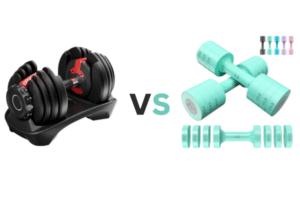
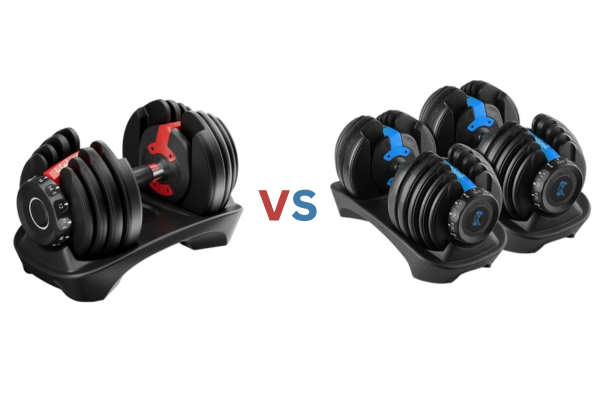
Dumbbell training has become an essential part of my fitness journey, especially when working out at home. In early 2025, I decided to invest in a pair of adjustable dumbbells to enhance my home gym setup. After a lot of research, I narrowed my options down to two popular brands in India: Lifelong and Cockatoo. I bought both the Lifelong Adjustable Dumbbell and the Cockatoo Adjustable Dumbbell to test them personally. After weeks of training, here’s my honest experience covering everything from build quality and durability to usability and performance.
Table of Contents
Understanding of Adjustable Dumbbell
An adjustable dumbbell is a versatile piece of fitness equipment that allows users to change weight settings quickly without needing multiple separate dumbbells. It typically features a locking mechanism or dial system, enabling users to increase or decrease resistance based on their workout intensity. Adjustable dumbbells are space-saving, cost-effective, and ideal for home workouts, making them perfect for beginners and advanced lifters alike.
Whether you’re performing strength training, endurance exercises, or full-body workouts, these dumbbells adapt easily to your fitness needs. Their convenience and efficiency have made them a popular choice for home gyms in 2025 and beyond.
Overview
The Lifelong Adjustable Dumbbell is designed for home fitness enthusiasts seeking convenience and space efficiency. It offers a compact, all-in-one solution with adjustable weight settings, allowing users to switch weights with a simple twist mechanism. With its durable build and ergonomic handle, this dumbbell caters to a range of exercises from light toning to moderate strength training. It’s an ideal choice for beginners or those looking for a hassle-free setup in limited space.
The Cockatoo Adjustable Dumbbell stands out for its solid construction and slightly extended weight range. Engineered for both beginners and intermediate lifters, it allows seamless weight transitions with a user-friendly dial system. Its textured grip ensures better control during workouts, while the robust base keeps the setup stable. For those aiming for flexibility in their home gym routine without compromising on performance, the Cockatoo dumbbell is a reliable and efficient choice.
Features | Lifelong Adjustable Dumbbell | Cockatoo Adjustable Dumbbell |
|---|---|---|
Preview | 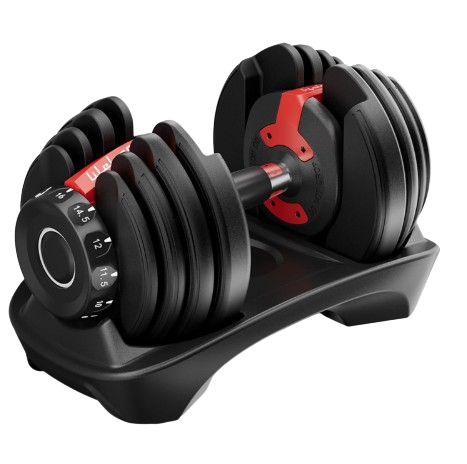 | 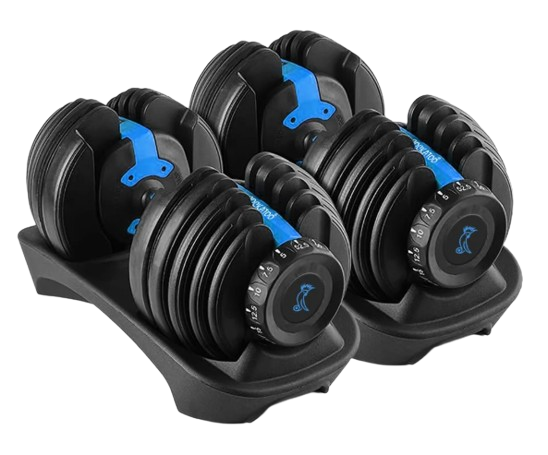 |
Brand | Lifelong | Cockatoo |
Colour | Black | Blue |
Material | Iron | Silicon Steel, Aluminum, Rubber |
Buy Now |
Build Quality and Durability
When it comes to build quality, both dumbbells appear sturdy. The Lifelong features a plastic-coated weight plate design, while Cockatoo uses a more rugged iron construction. In long-term use, I noticed that the plastic on the Lifelong showed minor scratches and wear, whereas Cockatoo’s iron plates held up better. If durability is a priority, Cockatoo has the edge here. That said, Lifelong still offers decent resilience for moderate daily use.
Adjustable Weight Range
The adjustable dumbbells are designed for flexibility in workouts, and this is where their weight range matters. Lifelong offers adjustment from 2.5 kg to 25 kg, while Cockatoo ranges from 2.5 kg to 24 kg. Although the difference is marginal, the Lifelong dumbbell gives a slightly broader range. Adjusting the weights was simple on both, but I found Cockatoo’s mechanism a little smoother and faster, which matters when you’re switching between exercises in a circuit workout.
Ease of Use and Mechanism
Adjusting weights on the go is crucial during home workouts. The Lifelong model uses a traditional twist-and-lock mechanism that gets the job done but occasionally sticks. Cockatoo’s slider mechanism is intuitive and quicker to respond. I was able to change weights with minimal interruption. So, in terms of user-friendliness, Cockatoo wins for me.
Design and Ergonomics
Design can make or break a workout session. Lifelong features a compact design with curved handles for better grip. Cockatoo, on the other hand, feels bulkier but has a knurled steel grip that offers a more gym-like feel. Personally, I preferred the grip on the Cockatoo dumbbells—it felt more premium and provided better control during sweaty workouts.
Portability and Storage
For someone like me who values space, the compactness and easy storage of a dumbbell matter. Lifelong dumbbells are easier to store due to their more compact footprint. Cockatoo takes up slightly more space because of its larger weight design. If you live in a small apartment, Lifelong may be the more convenient choice.
Performance During Workouts
In actual workout performance, both performed well across a range of exercises: curls, presses, rows, and even squats. Lifelong’s lighter feel made it great for high-rep endurance training, while Cockatoo provided a more solid feel for strength training. When lifting heavier, I felt more confident with Cockatoo because of its grip and balance.
Who Should Use These Dumbbells?
- Beginners looking to start strength training safely
- Fitness enthusiasts aiming to add variety to their workouts
- Home workout users with limited space and equipment
- Individuals recovering from injury, needing light to moderate weights
- People focused on toning muscles and improving endurance
- Those interested in low-impact, controlled strength exercises
- Seniors wanting to maintain muscle mass and bone density
- Athletes incorporating dumbbells for functional training and injury prevention
- Anyone seeking convenient, portable weights for on-the-go fitness sessions
Maintenance Tips
- Wipe dumbbells with a clean, dry cloth after each use to remove sweat
- Use mild soap and water for deeper cleaning – avoid harsh chemicals
- Store in a dry, cool place to prevent rust or damage
- Avoid dropping them to maintain structural integrity
- Inspect regularly for cracks, loose parts, or wear
- Use a rack to keep them organized and off the floor
- Tighten adjustable dumbbells periodically to ensure safety
- Avoid prolonged exposure to direct sunlight
- Lubricate metal parts if needed to prevent stiffness or corrosion
Pros and Cons
Lifelong Adjustable Dumbbell
Cockatoo Adjustable Dumbbell
Final Verdict
After weeks of consistent usage, my verdict is this: both adjustable dumbbells serve their purpose well. Lifelong is great for beginners or anyone needing a compact, affordable solution. Cockatoo stands out for its gym-quality build and performance. If I had to choose one for serious home workouts, I’d go with Cockatoo for its superior grip, smooth mechanism, and durability.
Whichever dumbbell you choose, remember that consistency is more important than equipment. I’ve achieved great results using both, and the key lies in maintaining a disciplined workout routine.
So, if you’re planning to invest in a dumbbell set for your home workouts, weigh your goals, space, and budget carefully. Both Lifelong and Cockatoo are worthy contenders—but your fitness style will determine the right fit for you.
Frequently Asked Questions (FAQs)
Q1: How to gain muscle at home?
Use bodyweight exercises, resistance bands, proper diet, adequate protein, progressive overload, and consistency to effectively gain muscle at home.
Q2: Which foods grow muscle fast?
Foods that grow muscle fast include eggs, chicken breast, lean beef, fish, Greek yogurt, cottage cheese, quinoa, lentils, chickpeas, almonds, spinach, sweet potatoes, oats, and protein shakes.
Q3: How much protein per day?
Most adults need 0.8g of protein per kg of body weight daily. For muscle gain, aim for 1.6–2.2g/kg, depending on activity level and fitness goals.
Q4: Who needs protein?
Everyone needs protein—it’s essential for muscle repair, growth, and overall health. It’s especially important for athletes, bodybuilders, children, pregnant women, and older adults to meet their protein needs.
Q5: Which food is king of protein?
Eggs are often called the king of protein due to their high-quality, complete protein content. They contain all essential amino acids and are easily absorbed, making them ideal for muscle building.