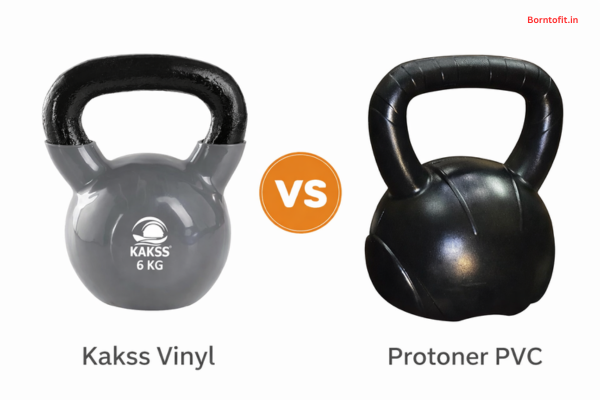
Choosing the right kettlebell for home workouts can feel confusing, especially when two popular vinyl-coated options like Kakss Vinyl Kettlebell and Protoner Polyvinyl Chloride Kettlebell look similar at first glance. Both are designed for people who want safe, floor-friendly strength training without the rough feel of bare cast iron. But once you start using them regularly, small differences begin to matter — grip comfort, balance, durability, and how they actually perform during real workouts.
Fitness people care about results, not just looks. Kettlebell training is known to improve full-body strength, coordination, and cardiovascular endurance in relatively short sessions, which is why many home workout enthusiasts rely on it as a core training tool. That makes choosing the right kettlebell even more important, especially if you’re training several days a week.
In this honest comparison, we’ll break down Kakss Vinyl vs Protoner Polyvinyl Chloride Kettlebell based on real-world use — not marketing claims. From build quality and comfort to workout suitability and long-term use, this guide is designed to help you decide which kettlebell truly fits your fitness goals and home workout setup.
1) Kakss Vinyl Kettlebell – An Overview
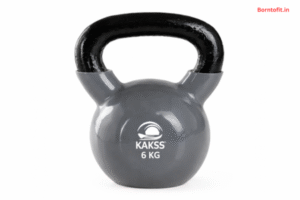
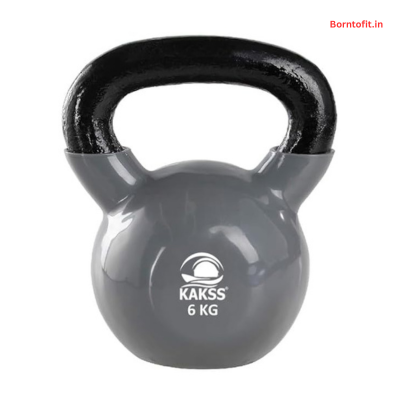
The Kakss Vinyl Kettlebell is built with a cast-iron core wrapped in a vinyl coating. This design gives you the solid feel of iron while adding comfort and floor protection. It’s especially popular among people training at home, in apartments, or in shared spaces.
The vinyl coating makes the kettlebell quieter, easier on hands, and safer for indoor floors. It’s commonly used for HIIT workouts, conditioning circuits, and general strength routines.
🔗Check Price on Amazon
Price Range in India: ₹349 – ₹2,349
Key Features:
- Cast-iron core
- Durable vinyl outer coating
- Smooth, comfortable surface
- Floor-friendly design
- Wide handle for one-hand and two-hand movements
Pros:
- Comfortable grip for longer workouts
- Protects floors from damage
- Lower noise during training
- Beginner-friendly feel
- Good balance between comfort and strength
Cons:
- Vinyl coating can wear over time
- Grip may feel slippery with sweat
- Not ideal for very heavy strength progression
- Softer feel may not suit advanced lifters
Real User Reviews:
👉”I use my Kakss Vinyl Kettlebell for everything — HIIT, strength circuits, core training, and even mobility work. The vinyl coating makes it easy on my hands, and it feels balanced during every movement. Great all-around piece of equipment!”
👉”I was pleasantly surprised at how well this kettlebell feels during dynamic moves. The balance is just right, and the vinyl layer gives a secure feel without being abrasive. Perfect for anyone who trains regularly.”
👉”This kettlebell has quickly become one of my most used pieces of equipment. Whether I’m jumping into swings or working on lunges, it feels steady and dependable. Excellent choice if you want a kettlebell that’s easy to work with every day.”
2) Protoner Polyvinyl Chloride Kettlebell – An Overview
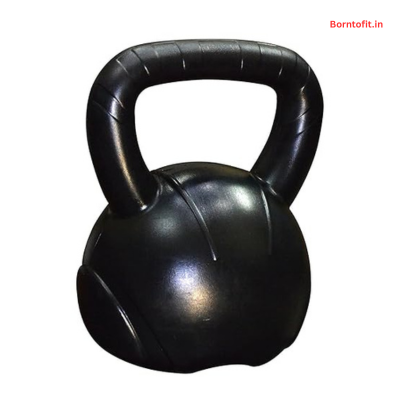
The Protoner Polyvinyl Chloride Kettlebell focuses heavily on comfort and beginner accessibility. It usually features a weighted inner core with a PVC outer shell, giving it a softer, rounded exterior compared to vinyl-coated iron kettlebells.
This kettlebell is designed mainly for light to moderate workouts, cardio-focused routines, and beginners who want a non-intimidating training tool.
🔗Check Price on Amazon
Price Range in India: ₹149 – ₹549
Key Features:
- PVC outer shell
- Weighted internal core
- Smooth exterior finish
- Floor-safe and quiet
- Beginner-friendly handling
Pros:
- Very gentle on hands and wrists
- Excellent floor protection
- Minimal noise during workouts
- Easy to use for beginners
- Suitable for light conditioning and cardio
Cons:
- Less durable than cast-iron-based kettlebells
- Balance may feel slightly off during swings
- PVC shell can scuff or crack with heavy use
- Not suitable for long-term strength progression
Real User Reviews:
👉”This Protoner PVC Kettlebell feels really smooth in the hand without any sharp edges. I use it for my warm-ups and conditioning circuits, and it’s comfortable even during sweaty sessions. A really solid choice for regular training.”
👉”It’s important that your workout gear feels balanced — and this kettlebell does just that. The weight feels consistent and stable, so I never feel off-balance during my sets. Very happy with it!”
👉”I switch between swings, lunges, and presses a lot in my routines, and this kettlebell makes those transitions easy. The design feels well-thought-out, and the PVC coating is comfortable on the palms.”
Best Kettlebells for Full-Body Strength Training in 2026: Top 5 Picks
Kakss Vinyl vs Protoner Polyvinyl Chloride Kettlebell – Comparison Table
Feature | Kakss Vinyl | Protoner PVC |
|---|---|---|
Core Material | Cast iron | Weighted core |
Outer Coating | Vinyl | PVC |
Grip Comfort | High | Very high |
Floor Protection | High | Very high |
Noise Level | Low | Very low |
Durability | Moderate–High | Moderate |
Balance | Stable | Slightly less stable |
Best For | Home fitness & conditioning | Beginners & light workouts |
Strength Progression | Limited | Very limited |
User Rating | 4.5/5 | 3.6/5 |
Price |
Who Should Use These Kettlebells?
Kakss Vinyl is best for:
- Home-gym users
- Fitness people doing HIIT and circuits
- Beginners to intermediate trainers
- Those who want comfort without losing stability
- Users planning moderate strength progression
Protoner PVC is best for:
- Complete beginners
- Light cardio and conditioning workouts
- Apartment training
- Users prioritizing maximum floor protection
- Casual fitness routines
Who Should Avoid These Kettlebells?
Avoid Kakss Vinyl if:
- You plan to lift very heavy weights
- You prefer raw iron grip
- You’re training for advanced kettlebell techniques
Avoid Protoner PVC if:
- You want long-term durability
- You train explosively with swings
- You plan serious strength progression
- You want stable iron-based balance
FAQs – Kakss Vinyl vs Protoner PVC Kettlebell
Q1: Are both good for beginners?
👉Yes, but Protoner feels softer and more beginner-friendly.
Q2: Which lasts longer?
👉Kakss Vinyl usually lasts longer due to its cast-iron core.
Q3: Can both be used for swings and squats?
👉Yes, but Kakss feels more stable during dynamic movements.
Q4: Do coated kettlebells get slippery?
👉They can — chalk helps improve grip.
Q5: Are these good for weight loss?
👉Yes. Kettlebell workouts can burn up to 20 calories per minute.
Conclusion:
So, Which Kettlebell Should You Use?
- Choose Kakss Vinyl if you want a balance of comfort, stability, and durability for home workouts and functional fitness.
- Choose Protoner PVC if you’re a beginner who wants maximum comfort, floor protection, and light-intensity training.
- Think long term: Kakss supports progression better, while Protoner is ideal for entry-level fitness.
- Both kettlebells can improve strength, burn fat, and boost conditioning — the best choice is the one that fits your workouts, space, and consistency.
So, which kettlebell feels right for your training style and fitness goals?