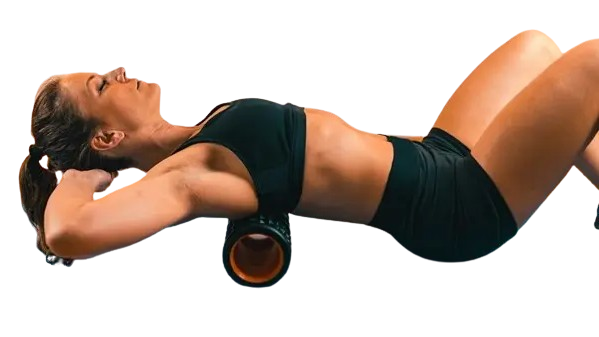
Bodylastics Foam Roller wasn’t just another piece of equipment I bought during my home gym setup—it became a game-changer. I still remember that day. After an intense leg day workout in my living room, I could barely walk. Muscle soreness, stiff hips, and tight calves had become common, until a trainer friend of mine suggested using a foam roller. Skeptical but desperate, I got the Bodylastics Foam Roller—and it didn’t take long to notice a difference.
As someone building a home gym, I wanted equipment that not only delivered results but also saved time. This deep tissue massage tool quickly became my go-to for recovery, flexibility, and overall performance. In this article, I’ll walk you through how to use it properly, the benefits, what worked (and what didn’t), and how we at Borntofit help fitness enthusiasts choose the right tools for time-saving home workouts.
Table of Contents
Product Overview: What Is the Bodylastics Foam Roller?
The Bodylastics Foam Roller is a high-density, deep-tissue massage roller designed for myofascial release and full-body muscle recovery. Built to support controlled, full-range motion, it targets common problem areas like the back, neck, TFL, hamstrings, calves, and even feet. Its textured surface helps optimize surface contact for effective muscle activation and tightness release.
Features | Bodylastics Foam Roller |
|---|---|
Preview | 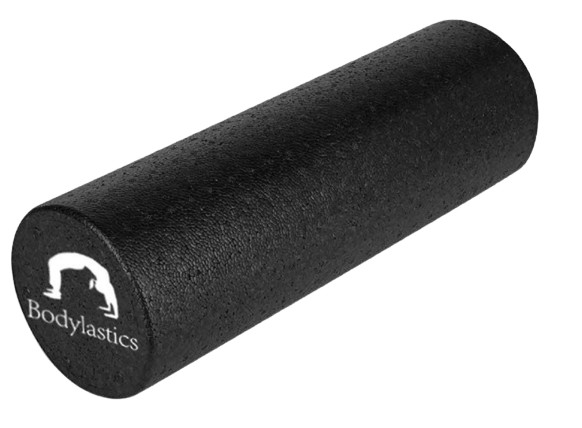 |
Brand | Bodylastics |
Colour | Black |
Material | Ethylene Vinyl Acetate |
Buy Now |
Why Use a Foam Roller? (Backed by Data)
According to a study published in the Journal of Sports Rehabilitation, foam rolling can significantly reduce muscle soreness (DOMS) and increase range of motion by up to 12%. Another 2020 meta-analysis in Frontiers in Physiology found that self-myofascial release tools like foam rollers aid in muscle performance and recovery when used consistently.
Whether you’re a beginner or an experienced athlete, incorporating foam rolling into your routine enhances circulation, breaks up fascia adhesions, and speeds up post-exercise recovery.
My Step-by-Step Experience Using the Bodylastics Foam Roller
1. Back and Spine Release
I start by placing the roller beneath my upper back and slowly rolling down my spine. The textured ridges really dig into the tight muscles, providing instant relief. At first, it was painful—but that “hurts-so-good” pain that signals it’s working.
2. Hamstrings and Calves
Sitting on the floor, I place the roller under my hamstrings. I move forward and backward slowly. My calves get even tighter post-leg day, and this technique brought visible improvement in flexibility within a week.
3. IT Band and TFL Area
This was the most painful area to roll, but the most rewarding. Lying on my side, I used my upper leg to control pressure. After a few sessions, I noticed my hip stiffness decrease drastically.
4. Neck and Shoulders
Lying flat with the roller placed under my neck, I gently rock side to side. Unlike soft rollers, this one gives deep pressure—sometimes too much. I learned to use a towel over it to reduce intensity.
5. Feet
Standing, I rolled one foot at a time. I didn’t expect much, but it helped relieve tension surprisingly well—especially after long work-from-home days.
What I Liked (Pros)
- Excellent for deep tissue therapy
- Works across multiple muscle groups
- Rigid enough for full body weight without collapsing
- Time-efficient recovery tool
- Textured surface improves targeting and blood flow
What I Didn’t Like (Cons)
- Too firm for beginners or sensitive users
- Not ideal for very narrow spaces
- Initial sessions were uncomfortable due to deep pressure
- Takes time to learn correct form for each muscle group
Who Should Use the Bodylastics Foam Roller?
This tool is great for:
- Home gym users needing effective recovery solutions
- Athletes who want to avoid injury
- Busy individuals with limited workout time
- Anyone dealing with tight hips, stiff neck, sore back, or tired feet
Tips for Best Results
- Use after workouts or at night to relax muscles
- Spend at least 1–2 minutes on each muscle group
- Breathe deeply to reduce tension during use
- Stay consistent—results appear after a few days
- Don’t rush the movement—slow, controlled rolling works best
How Borntofit Helps You Choose Right Home Gym Tools
At Borntofit, we curate and test equipment like the Bodylastics Foam Roller to help home fitness lovers make informed choices. Whether your goal is faster recovery, injury prevention, or enhanced flexibility, our product insights are tailored to make your fitness journey effective and time-efficient.
We believe tools like this roller—designed to release tightness in the back, neck, TFL, and feet—can make a huge difference in results without taking up much time.
Final Verdict
Using the Bodylastics Foam Roller daily helped me recover faster, improve flexibility, and avoid minor injuries—all without fancy machines or long sessions. While it isn’t perfect and may take a few sessions to adjust to, the benefits far outweigh the initial discomfort.
If you’re building a home gym and want to get serious about muscle care and mobility, this might be the smartest addition you’ll make this year.
Frequently Asked Questions (FAQs)
Q1: How to use a foam roller for muscle recovery?
Use a foam roller with slow, controlled movements on sore muscles, targeting each area for 1–2 minutes to aid recovery.
Q2: How does foam rolling help with flexibility?
Foam rolling helps with flexibility by releasing muscle tightness, improving blood flow, and breaking up fascia adhesions around muscles and joints.
Q3: Is it okay to foam roll every day?
Yes, foam rolling every day is generally safe and can improve flexibility, reduce muscle tension, and enhance recovery with consistent use.
Q4: Is foam rolling better than stretching?
Foam rolling and stretching serve different purposes; foam rolling targets fascia release, while stretching improves muscle length and flexibility. Both are beneficial.
Have you found the right recovery tool for your home workouts yet?