
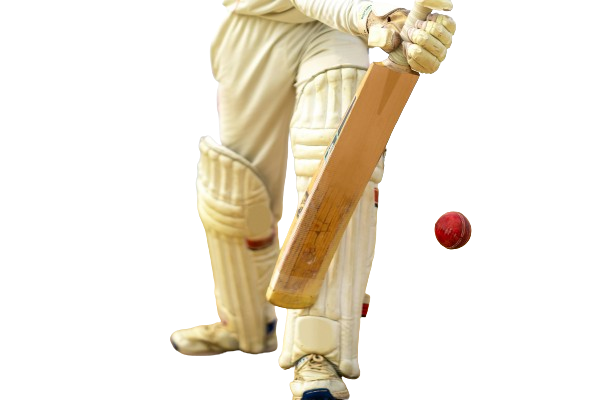
It was a sunny afternoon when I first watched a young cricketer struggle with an oversized bat. Every shot was mis-timed, every stroke lacked control, and frustration was evident on his face. As a specialist in handcrafted cricket bats, I’ve seen this scenario countless times: players often underestimate the importance of choosing the right cricket bat. The right bat isn’t just a piece of wood—it’s an extension of your body, a tool that can amplify your performance, protect you from injuries, and help you excel in every format of the game.
For beginners and seasoned players alike, understanding the nuances of bat selection is essential. According to research by the England and Wales Cricket Board (ECB), players who use bats matched to their height, strength, and playing style demonstrate 20–30% better control and shot consistency compared to mismatched equipment. Whether you’re preparing for T20, One-Day Internationals, or Test matches, this guide will help you make an informed, performance-boosting choice.
Table of Contents
Understanding Cricket Bat Types
When it comes to choosing a Cricket Bat, the first consideration is the type of willow used. There are primarily two types:
- English Willow – Preferred by professional and semi-professional players. It’s soft, fibrous, and offers a larger sweet spot, making it ideal for hard-hitting shots and longevity.
- Kashmir Willow – Common among beginners and casual players. It’s stiffer, slightly heavier, and more affordable, though it may offer less rebound power.
Additionally, bats are designed for softball or hardball cricket, depending on your playing environment. Hardball bats are used in formal matches, while softball bats are more forgiving for practice and street cricket.
Tip: Choose a bat type aligned with your skill level. Beginners can benefit from Kashmir Willow to develop proper technique before moving to English Willow for advanced play.
How Bat Size and Weight Affect Performance
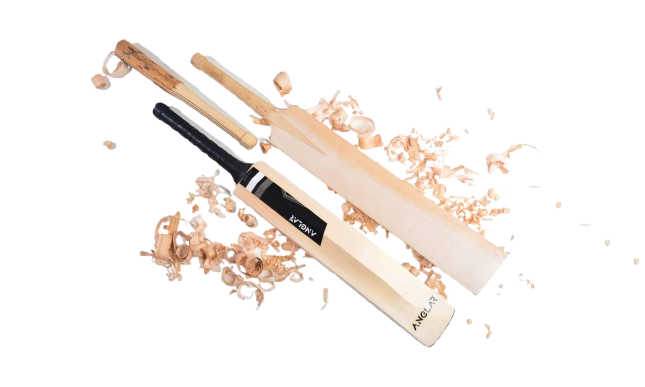
Choosing the correct bat size and weight is crucial for improving your cricket performance. A bat that’s too heavy or too light can ruin timing, power, and stroke mechanics, ultimately affecting your game.
Height & Age: The right bat length depends on your age and height. Youth bats generally range from 24” to 31”, while adult bats fall between 32” and 38”. Using the correct length ensures proper stance, balance, and reach, allowing smoother shot execution.
Weight: Professional bats usually weigh between 2 lb 7 oz and 3 lb 0 oz. Lighter bats are ideal for players who rely on quick reactions, faster bat speed, and precision stroke play. On the other hand, heavier bats deliver more raw power, making them suitable for big hitters who prefer boundary shots. The choice depends on your playing style and physical strength.
Balance & Pickup: Beyond size and weight, the bat’s balance and pickup matter the most. A bat should feel natural in your hands, with the sweet spot aligning comfortably with your strokes. Always try picking up multiple bats before purchasing to ensure comfort, control, and maneuverability.
Stat: A study from the BCCI Coaching Manual notes that a mismatch between bat weight and player strength reduces shot accuracy by 15–20%.
Bat Profile and Shape Selection
Bat profile impacts performance more than most players realize.
- Sweet Spot Placement: Mid-spine bats are versatile; low-spine bats are better for front-foot shots; high-spine bats are ideal for back-foot play.
- Edge Thickness: Thicker edges provide extra power on off-center hits.
- Spine Height: Higher spines increase hitting power but require precise technique.
- Toe Shape: Round or flat toe shapes affect balance and weight distribution.
Tip: Players specializing in fast, aggressive strokes should prioritize a mid-to-high spine with thick edges.
Grip, Handle, and Comfort
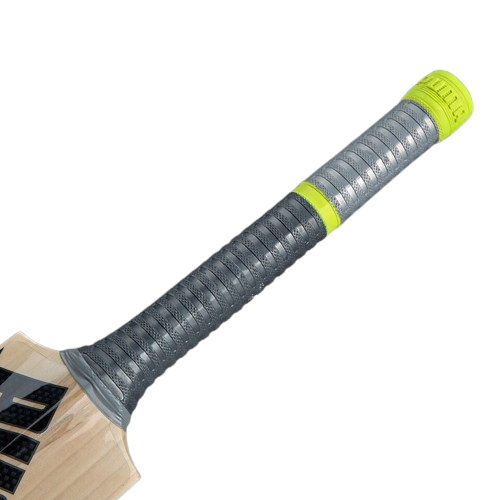
Comfort is crucial in a Cricket Bat. Consider:
- Handle Type: Oval handles provide better control for wristy shots, while round handles suit power shots.
- Grip Material: Rubberized or textured grips reduce slippage and hand fatigue.
- Handle Length: Ensure it matches your height and bat length for natural swing mechanics.
Tip: Practice a few swings with the bat before purchase to ensure grip comfort.
Matching Your Bat to Playing Style
Every cricketer has a unique style:
- Aggressive Players: Need heavier bats with thicker edges for power hitting.
- Technical Players: Mid-weight bats with low or mid spines for better control and placement.
- All-Rounders: Versatile bats with balanced weight for mixed stroke play.
Pro Insight: Test bats in various conditions—on concrete, turf, and synthetic pitches—to evaluate performance versatility.
How to Test a Cricket Bat Before Buying
Before investing, perform the following:
- Ping Test: Tap the blade; a crisp “ping” indicates good willow and rebound.
- Balance Test: Hold the bat at the top of the handle; it should feel evenly weighted.
- Edge and Toe Check: Ensure no cracks, splits, or weak spots.
- Swing Practice: Take a few practice strokes to gauge comfort, pickup, and control.
Budget and Brand Considerations
While Borntofit doesn’t focus solely on pricing, choosing a reputable brand ensures quality and durability. Factors include:
- Warranty or replacement policies
- Quality of willow (Kashmir vs. English)
- Craftsmanship and finish
Tip: Avoid bats that feel too polished or have uneven grains—they may splinter easily.
Maintenance Tips to Keep Your Bat in Top Condition
A bat is an investment and requires care:
- Knocking-In: Essential for English Willow bats to prevent cracks.
- Oiling: Use raw linseed oil to maintain moisture balance.
- Storage: Keep away from extreme temperatures or moisture.
- Regular Inspection: Check edges, spine, and handle for damage.
Following these steps ensures the bat lasts for multiple seasons and maintains performance.
How Borntofit Helps
At Borntofit, we understand that choosing the right Cricket Bat is overwhelming. Our goal is to provide readers with clear, practical guidance that balances technical detail with usability. From understanding willow types to matching the bat with your playing style, our recommendations help you make a confident choice, so your next stroke is precise and powerful.
Conclusion
Choosing the right Cricket Bat isn’t just about brand or appearance—it’s about fit, balance, and compatibility with your playing style. By understanding willow types, bat profiles, handle comfort, and testing techniques, players can maximize performance and reduce the risk of injury. A well-selected bat can transform your game, whether you’re hitting boundaries in T20 matches or defending in Test cricket.
So, are you ready to pick the perfect Cricket Bat that elevates your game to the next level?