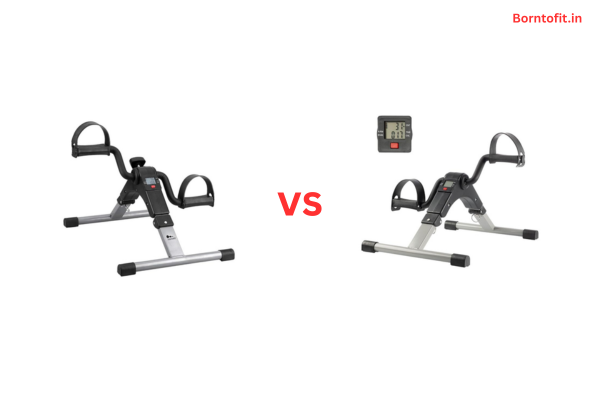
Introduction: Himaly vs Wakeman Mini Cycle Pedal Exerciser
Portable exercise equipment has become crucial for counteracting sedentary lifestyles, with under-desk pedal exercisers leading the charge. Studies indicate that prolonged inactivity significantly elevates health risks, underscoring the need for compact fitness solutions for office workers and home-based professionals.
The Himaly mini exercise bike and the Wakeman Mini Cycle Pedal Exerciser are standout options, each offering a unique approach to transforming idle sitting into active movement. Research supports that chair-based pedal exercises can significantly enhance cardiovascular health and metabolic responses.
Deciding between these models requires evaluating build quality, resistance mechanisms, noise levels, and user experience. Their differences extend beyond aesthetics to fundamental design philosophies influencing long-term satisfaction and effectiveness.
This detailed comparison explores essential aspects to aid you in making an informed choice for your fitness journey.
Overview of the Himaly Mini Cycle Pedal Exerciser:
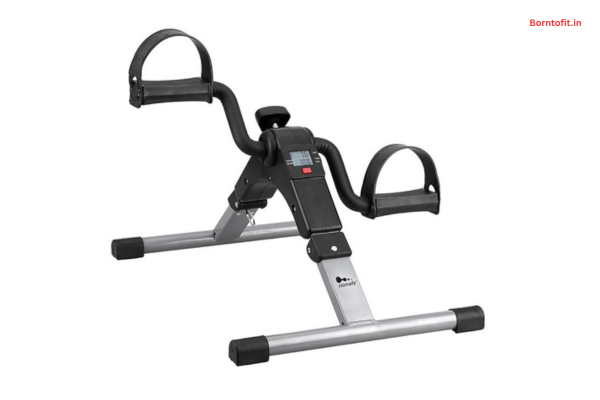
The Himaly Mini Cycle Pedal Exerciser is an economical choice in the portable fitness market, designed for basic under-desk exercise. This compact device features:
- A straightforward design with adjustable resistance settings
- A simple digital display that tracks time, distance, and calories burned
Weighing around 15 pounds with a lightweight steel frame, the Himaly provides eight resistance levels to accommodate various fitness levels. Its pedal mechanism operates quietly, suitable for office use, though not as silently as premium models like the Wakeman. Its no-frills approach is appealing to users who prioritize affordability over advanced features.
The device’s LCD monitor offers real-time feedback, helping users maintain consistent exercise patterns throughout the workday. Research indicates that even moderate pedaling can significantly impact metabolic responses, with studies demonstrating improved postprandial glucose responses during desk-based activities.
However, the Himaly’s basic construction means users should temper expectations regarding durability and smooth operation compared to higher-end models, making it a noteworthy contrast when considering premium alternatives in the mini exercise bike category.
🔗Buy on Amazon
Price Range in India: ₹799 – ₹2,799
Overview of the Wakeman Mini Cycle Pedal Exerciser:
The Wakeman Mini Cycle Pedal Exerciser is a premium choice in the portable fitness market, aimed at users who value durability and enhanced functionality over budget constraints. This mini cycle pedal exerciser stands out with robust construction and thoughtful design addressing common limitations found in basic models.
Key features include an all-steel frame that provides superior stability, reducing wobbling issues seen in lighter alternatives. An adjustable tension dial with clearly marked resistance levels allows users to progress systematically through their fitness journey. A comprehensive LCD display tracks essential metrics such as time, distance, calories burned, and revolution count.
The Wakeman model’s ergonomic pedal design includes non-slip surfaces and adjustable straps, accommodating various foot sizes while ensuring secure placement during extended sessions. Research indicates that moderate pedal exercises can significantly improve circulation and muscle activation, making these design refinements valuable for office workers.
However, these premium features come with trade-offs in terms of weight and size, possibly limiting portability compared to ultra-compact alternatives.
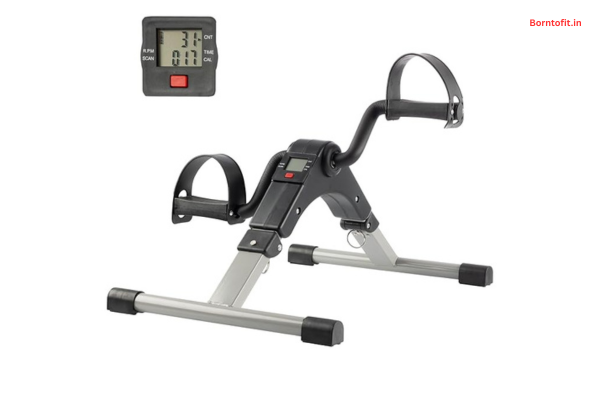
🔗Buy on Amazon
Price Range in India: ₹685 – ₹2,685
Comparison Criteria: Performance and Features:
Evaluating any under-desk bike involves critical performance metrics that distinguish effective models from less capable ones. Both the Himaly and Wakeman mini cycle exercisers are assessed against standardized criteria affecting user outcomes and satisfaction.
Resistance mechanisms are critical for effective pedal exercise equipment. Research shows that moderate resistance training can enhance cardiovascular responses and metabolic function when performed consistently. The quality of resistance adjustment—whether magnetic, friction-based, or tension-controlled—determines workout progression potential and durability.
Stability and construction quality are equally important. Units that shift, wobble, or produce excessive noise during operation compromise safety and workplace appropriateness. Professional environments demand equipment that operates quietly without disrupting colleagues or meetings.
Digital tracking capabilities are increasingly valuable for maintaining exercise consistency. Models with LCD displays monitoring time, distance, calories, and RPM provide users with feedback that research shows can enhance adherence to exercise routines.
These performance benchmarks guide our detailed comparison between the Himaly and Wakeman models.
User Experience and Satisfaction:
The Himaly vs Wakeman debate ultimately hinges on real-world performance. User feedback highlights distinct patterns showing each model’s strengths and weaknesses in daily operation.
Himaly users appreciate the device’s plug-and-play simplicity. Its straightforward resistance adjustment and minimal setup appeal to first-time under-desk bike users. However, some report that the plastic construction feels less premium over extended use, with concerns about long-term durability during intensive sessions.
Wakeman users emphasize the superior build quality and smoother pedaling experience. The steel frame construction provides confidence during longer workout sessions, and the sophisticated resistance system ensures consistent performance. The trade-off comes in setup complexity and a steeper learning curve for optimal adjustment.
Both models show positive outcomes in workplace wellness applications. Research indicates that desk-based pedaling equipment can effectively reduce sedentary behavior when integrated into daily routines, regardless of brand choice.
Common user satisfaction factors include noise levels during calls, foot strap comfort, and usage intensity. This foundation directly influences the overall value proposition each model offers.
Price and Value for Money:
The Himaly typically retails between $35-45, positioning itself as an entry-level option in the mini exercise bike market. The Wakeman, priced around $25-35, targets the budget-conscious segment with basic functionality. However, price alone doesn’t determine value proposition.
The Himaly’s higher cost reflects its superior build quality and enhanced resistance system. Users report significantly longer lifespan, with many units functioning effectively after 12+ months of regular use. The Wakeman’s lower price point involves trade-offs—lighter construction and less durable components that may require replacement sooner.
Cost-per-use analysis reveals interesting insights. While the Himaly requires higher upfront investment, its durability often results in lower long-term costs. The Wakeman’s initial savings can be offset by potential replacement needs within 6-8 months of intensive use.
For occasional users seeking basic pedaling motion, the Wakeman offers reasonable value. However, daily users benefiting from workplace wellness initiatives typically find the Himaly’s enhanced features justify the premium.
The decision ultimately depends on intended usage frequency and expected device longevity, impacting true cost-effectiveness over time.
Example Scenarios for Choosing Between Himaly and Wakeman:
Understanding real-world applications helps clarify which under-desk pedal exerciser fits your needs. Consider these scenarios where each device excels.
The Remote Worker: Sarah works 8-hour shifts from her home office and needs consistent, quiet movement throughout the day. The Himaly’s superior resistance adjustability and smooth operation make it ideal for extended use without disrupting video calls or disturbing family members.
The Budget-Conscious Senior: Tom, a retiree on a fixed income, wants to maintain mobility while watching television. The Wakeman’s lower price point and adequate resistance for light therapeutic exercise make it perfect for his needs, especially given research showing that moderate pedal exercises can improve circulation and reduce stiffness.
The Shared Space User: A physical therapy clinic needs multiple units for different patients with varying strength levels. The Himaly’s wider resistance range accommodates everyone from post-surgery patients to active adults seeking rehabilitation support.
The Occasional User: Maria wants something simple for evening TV time without complex adjustments. The Wakeman’s straightforward design and basic functionality suit her casual approach to staying active indoors.
These scenarios highlight how personal priorities—whether budget, durability, or specific features—should guide your decision, setting up important considerations about common assumptions when choosing mini exercise bikes.
Common Misconceptions about Mini Cycle Pedal Exercisers:
Several myths persist around portable pedal exerciser effectiveness, often deterring potential users from experiencing their benefits. Understanding these misconceptions helps set realistic expectations for both the Himaly and Wakeman models.
“They’re Just Toys with No Real Fitness Benefits” is a common misconception. However, research shows that even light pedaling can produce physiological improvements. Chair-based pedal exercises for older people demonstrate significant improvements in strength and balance.
“You Can’t Get a Real Workout While Working” is another misconception. Gentle pedaling during desk work maintains muscle activation and circulation without requiring intense focus. The goal isn’t to replace gym workouts but to combat prolonged sitting’s negative effects.
“All Mini Cycles Are Identical” oversimplifies differences in build quality, resistance systems, and user experience. As shown with the Himaly versus Wakeman comparison, variations in stability, noise levels, and durability significantly impact long-term satisfaction.
These misconceptions often lead to unrealistic expectations or dismissal of valuable fitness tools when properly understood and utilized.
Top 5 Pedal Exercisers – Best Mini Cycle for Home Fitness
Comparison Table: Key Specifications and Features
A side-by-side comparison reveals the distinct positioning of these budget mini bike options in the portable exercise market:
| Feature | Himaly Mini Cycle | Wakeman Pedal Exerciser |
|---|---|---|
| Weight | 8.2 lbs | 6.5 lbs |
| Resistance Levels | 8 adjustable levels | Tension knob (variable) |
| Display | LCD monitor (time, distance, calories) | None |
| Pedal Straps | Adjustable foot straps | Basic foot loops |
| Noise Level | Ultra-quiet operation | Whisper-quiet |
| Assembly | Tool-free setup | Minimal assembly required |
| Price Range | $35-45 | $25-35 |
| Warranty | 1 year limited | 90 days |
| User Ratings | 4.0/5 | 4.0/5 |
| Buy | Buy on Amazon | Buy on Amazon |
The specifications highlight each model’s design philosophy. Himaly emphasizes digital tracking features and structured resistance progression, appealing to users who want measurable feedback. Wakeman prioritizes simplicity and affordability, making it accessible for those testing desk exercise.
Weight differences are significant for frequent transporters, while display presence impacts motivation styles. These distinctions directly impact user experience and satisfaction with your chosen pedal exerciser.
Key Takeaways:
Both the Himaly and Wakeman mini cycle pedal exercisers offer practical solutions for combating sedentary behavior, though each serves different user priorities. The Himaly excels as a budget-friendly option with basic functionality, ideal for occasional users or those testing portable exercise for the first time. Its straightforward design delivers on core pedaling needs without additional complexity.
The Wakeman justifies its higher price through enhanced build quality and user experience features. Its superior stability, quieter operation, and more refined resistance system make it better suited for regular use or professional environments.
Neither device replaces traditional cardiovascular exercise, but both address the health risks of prolonged sitting. Research consistently demonstrates that even light pedaling can improve circulation and metabolic function during desk work.
Your choice depends on usage frequency and environment. Occasional home users will find the Himaly adequate, while daily users or office workers benefit from the Wakeman’s premium features. Both are cost-effective investments in workplace wellness compared to larger equipment or standing desks.
Sources and References:
This comprehensive comparison of Himaly vs Wakeman mini cycle pedal exercisers draws from peer-reviewed research and authoritative studies examining under-desk exercise equipment and sedentary behavior interventions.
The evidence supporting mini cycle benefits comes from multiple academic sources. Research on chair-based pedal exercises for older people demonstrates measurable improvements in physical function and mobility. Studies examining pedal technique training provide insights into optimal exercise patterns and progressive training approaches.
Workplace health research reinforces the importance of combating sedentary behavior. The University of Colorado’s analysis on workplace activity interventions and Iowa’s workplace pedaling research offer practical evidence for desk-based exercise solutions.
Additional support comes from studies on postprandial metabolic responses and immediate physiological effects of moderate pedal exercises, while Toyota’s innovative research explores transforming sedentary time into health-promoting activity.
FAQs – Mini Cycle Pedal Exerciser
Q1: Can I use these pedal exercisers while working at a desk?
👉Yes, both the Himaly and Wakeman models are designed for under-desk use, allowing you to pedal quietly while working.
Q2: Are these exercisers suitable for seniors?
👉Absolutely. Both models provide low-impact exercise options that can help improve circulation and mobility, making them suitable for seniors.
Q3: How do I adjust the resistance levels?
👉The Himaly offers eight adjustable resistance levels, while the Wakeman features a tension knob for variable resistance adjustments.
Q4: Do these devices require assembly?
👉The Himaly offers tool-free setup, and the Wakeman requires minimal assembly, making both easy to set up.
Q5: What is the warranty period for these products?
👉The Himaly comes with a 1-year limited warranty, while the Wakeman offers a 90-day warranty.