I still remember one morning when I was training a busy professional client who told me, “I just don’t have an hour to spend at the gym.” That’s when I asked him to give me just five minutes. With nothing but his bodyweight, I guided him through high knees, burpees, and mountain climbers. By the end, he was breathless, sweating, and shocked at how hard his body had worked in such a short time. That’s the power of cardio—intensity over duration. And that’s the real secret I want to share with you today.
Many people believe cardio means long runs or hours on a treadmill, but the truth is that your body can achieve the same fat-burning, metabolism-boosting benefits in short bursts of effort. In this article, I’ll show you why, backed by science and practical examples, so you can finally unlock the secret of cardio workouts—no excuses, just results.
Table of Contents
Why Cardio is the Key to Fitness Success
Cardio isn’t just about weight loss—it’s about heart health, stamina, and longevity. According to the American Heart Association, adults should get at least 150 minutes of moderate aerobic activity or 75 minutes of vigorous activity weekly for optimal health.
The benefits include:
- Strengthening the heart and lungs
- Reducing risks of diabetes, obesity, and heart disease
- Boosting mood and reducing stress
- Improving endurance for both daily life and sports
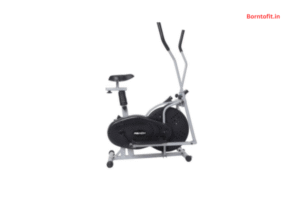
The beauty of cardio lies in its versatility—it doesn’t demand equipment, and it adapts to any schedule. Even short daily cardio sessions add up over time, making it the cornerstone of fitness success.
The Secret Formula: Short but Effective Cardio

Here’s the truth: intensity > duration. Studies published in the Journal of Physiology (2019) show that short bouts of high-intensity cardio can burn as many calories as longer moderate workouts. This means a 5-minute session done right can equal a 30-minute jog.
The formula is simple:
- Work hard for 20–40 seconds
- Rest for 10–20 seconds
- Repeat for 5 minutes
This approach pushes your heart rate into the fat-burning zone, increases afterburn (calories burned post-workout), and maximizes results in minimal time.
Top 5 No-Equipment Cardio Moves You Can Do at Home
You don’t need fancy machines. Just your body. Here are 5 powerful no-equipment moves:
- Burpees – Full-body calorie scorcher that works legs, chest, and core.
- High Knees – Boosts cardio endurance and coordination.
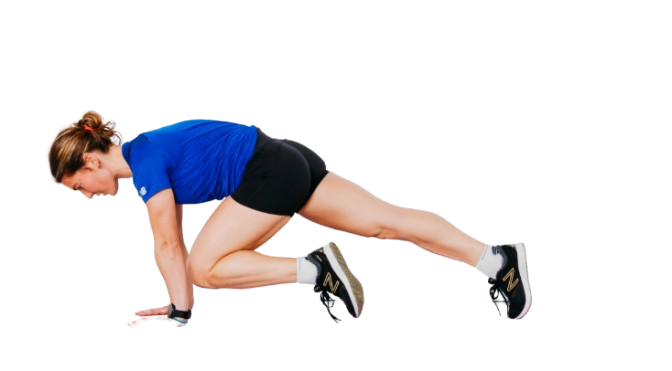
- Mountain Climbers – Builds stamina and strengthens the core.
- Jumping Jacks – Classic but effective for warming up and calorie burn.
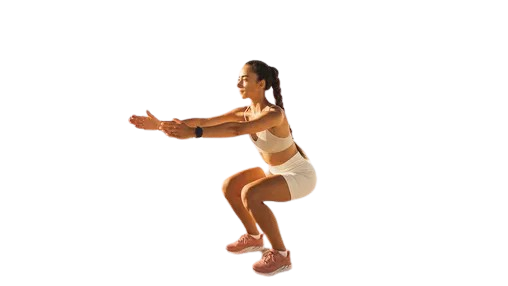
- Squat Jumps – Explosive move to build leg power and elevate heart rate.
Perform each for 30 seconds, rest for 15 seconds, then repeat. That’s a killer 5-minute circuit.
HIIT: The Game-Changer in Cardio Training
High-Intensity Interval Training (HIIT) has become a global fitness trend for a reason. A meta-analysis published in the British Journal of Sports Medicine (2020) found HIIT to be 40% more effective for fat loss compared to steady-state cardio.
HIIT combines:
- Explosive effort (like sprints or burpees)
- Short rest periods
- Maximum calorie burn in minimal time
Not only does HIIT torch fat, but it also improves VO2 max—a measure of your body’s oxygen capacity—faster than traditional cardio.
Cardio vs. Strength: What’s Best for Weight Loss?

The truth? Both matter.
- Cardio burns more calories per session.
- Strength training builds lean muscle, which increases metabolism long-term.
But if you’re short on time, cardio has the edge for immediate calorie burn. The best approach is combining both—but start with quick cardio to build consistency.
How to Stay Consistent with Quick Cardio Workouts
Consistency is where most people fail. The key is to:
- Schedule your 5 minutes like a meeting.
- Stack it onto a habit (e.g., after brushing teeth).
- Keep it simple—no equipment, no excuses.
Remember, one missed workout won’t hurt, but skipping weeks will. Even 5 minutes daily builds discipline and results.
Mistakes to Avoid in Home Cardio
- Skipping warm-up – Leads to injury risk.
- Poor form – Doing fast reps with bad technique reduces effectiveness.
- Overtraining – 5 minutes is safe, but too many HIIT sessions can cause fatigue.
- Not tracking progress – Without tracking reps or intensity, it’s hard to see improvement.
A 5-Minute Sample Cardio Workouts Plan for Beginners
Here’s a beginner-friendly 5-minute plan you can try today:
- 0:00–0:40 – Jumping Jacks
- 0:40–1:20 – High Knees
- 1:20–2:00 – Mountain Climbers
- 2:00–2:40 – Burpees
- 2:40–3:20 – Squat Jumps
- 3:20–4:00 – Rest (active walk in place)
- 4:00–5:00 – Repeat favorite move at max effort
In just 5 minutes, you’ll feel your heart racing, muscles engaged, and sweat dripping.
How Borntofit Helps You Unlock the Secret of Cardio
At Borntofit, we understand that life gets busy. That’s why we provide readers with simple, effective cardio routines designed to fit into any lifestyle. We break down the science of short, high-intensity cardio so you can stop overcomplicating fitness and finally achieve results.
We can help readers who want to know the secret of cardio workouts with practical advice, structured routines, and motivation to stay consistent. With us, it’s not about spending hours in the gym—it’s about making every minute count.
Conclusion
So here’s the real secret: cardio doesn’t demand hours, fancy gear, or endless willpower. It only takes five minutes of focused effort to strengthen your heart, burn calories, and feel energized. With moves like burpees, high knees, and mountain climbers, you can transform your fitness from the comfort of your home. The question isn’t whether cardio works—the science is clear.
The real question is: are you ready to give five minutes today to unlock a healthier you?
Frequently Asked Questions (FAQs)
Q1: Is cardio workouts 5 days a week ok?
Yes, doing cardio workouts five days a week is effective for improving heart health, burning calories, and boosting overall fitness.
Q2: Does cardio workouts burn belly fat?
Yes, cardio workouts helps burn belly fat by increasing calorie expenditure, boosting metabolism, and reducing overall body fat when done consistently.
Q3: Does cardio workouts build muscle?
Cardio workouts primarily improves cardiovascular fitness and burns fat, but it builds minimal muscle; strength training is more effective for muscle growth.