When I first switched to home workouts during the pandemic, I ignored recovery completely. My stretching was sloppy, my warm-ups too short, and post-workout soreness stuck around for days. My flexibility was worse than ever—I’d wake up tight, stiff, and demotivated to even start training.
One day, after a particularly brutal leg session, I realized I couldn’t even touch my toes without wincing. Enough was enough. I knew I needed help recovering at home—without paying for expensive massages. That’s when I discovered foam rollers.
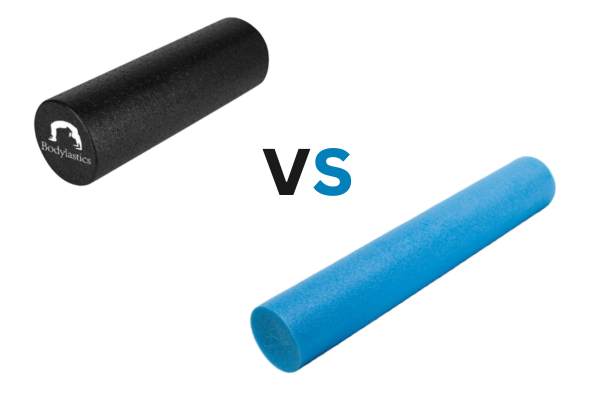
I tried two popular options—the Bodylastics Foam Roller and the ProSource Flex Foam Roller—hoping one would finally save my aching muscles and improve my flexibility. This isn’t some glowing sales pitch for either. I want to share my honest take on both: what I liked, what disappointed me, and what I think will actually help you if you’re serious about fixing muscle tightness and gaining flexibility.
If you’re a home workout enthusiast looking to make smart gear choices, this review is for you.
Table of Contents
Product Overview: What Are These Foam Rollers?
Bodylastics Foam Roller
The Bodylastics Foam Roller is a high-density, deep-tissue massage tool designed for serious muscle recovery and myofascial release. Built with a textured surface to optimize contact, it effectively targets common problem areas like the back, neck, TFL, hamstrings, calves, and even the feet. Its solid construction supports a controlled, full-range rolling motion, making it ideal for releasing muscle tightness, reducing soreness, and enhancing flexibility after intense workouts. Perfect for athletes and fitness enthusiasts looking to save time and get pro-level recovery at home.
Key Features:
- High-density, deep-tissue massage roller
- Designed for myofascial release and full-body recovery
- Textured surface optimizes muscle contact for knot release
- Targets back, neck, TFL, hamstrings, calves, feet
- Built to support controlled, full-range rolling
ProSource Flex Foam Roller
The ProSource Flex Foam Roller is a versatile, high-density foam tool designed for self-myofascial release (SMR), balance training, and core stabilization exercises. Available in both half-round and full-round options, it suits users from beginners to experienced athletes. It helps massage tight muscles, release trigger points, and improve overall flexibility. Ideal for gentle rolling on sensitive areas, it also supports exercises that build body awareness and stability—making it a smart, affordable addition to any home workout routine.
Key Features:
- Made from high-density foam
- Supports self-myofascial release (SMR)
- Available in half-round and full-round sizes
- Ideal for beginners working on balance, body awareness
- Great for core stabilization, gentle rolling
Features | Bodylastics Foam Roller | ProSource Flex Foam Roller |
|---|---|---|
Preview | 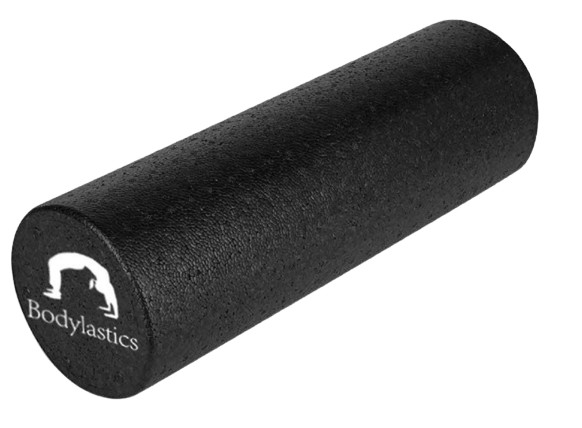 | 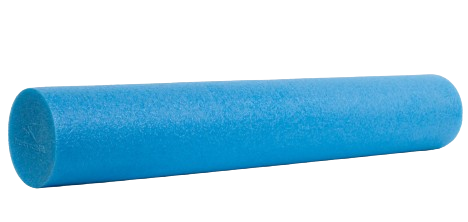 |
Brand | Bodylastics | ProsourceFit |
Colour | Black | Blue |
Material | Ethylene Vinyl Acetate | Foam |
Buy Now |
Why You Need a Foam Roller for Home Workouts
Foam rolling isn’t just a fitness fad. Multiple studies confirm its value:
A 2015 meta-analysis in Journal of Athletic Training found foam rolling after exercise reduced muscle soreness by ~6%.
A 2019 review in International Journal of Sports Physical Therapy showed foam rolling improves short-term flexibility without reducing muscle performance.
If you’re working out at home without proper recovery, you’re missing a huge piece of the puzzle. Foam rollers can help you:
- Release muscle tightness
- Improve flexibility
- Reduce DOMS (delayed-onset muscle soreness)
- Enhance joint mobility
My Honest User Experience: Bodylastics Foam Roller
Positives:
- Deep Tissue Effectiveness: The high-density build and textured surface are no joke. It really digs into tight spots—perfect for calves, IT bands, and glutes.
- Durability: I’ve dropped it more than once. It doesn’t dent or lose shape.
- Full-Body Capability: From back to feet, I felt confident rolling every area.
- Saves Massage Money: After a few weeks, I needed fewer pro massages.
Negatives:
- Painful for Beginners: Seriously—it hurts at first. If you’re not used to deep-tissue massage, prepare for discomfort.
- Can Be Too Aggressive: For delicate areas (like neck), I had to be extra careful.
- Bulky to Store: It’s large and not the easiest to hide away.
My Honest User Experience: ProSource Flex Foam Roller
Positives:
- Beginner-Friendly: The half-round option made learning balance and rolling technique much easier.
- Versatile Use: I used it for core stabilization, balance exercises, and rolling—great for variety.
- Gentler Rolling: Much less painful on sensitive areas. Perfect for daily maintenance.
- Affordable: Good quality for the price.
Negatives:
- Less Intense: If you want deep-knot release, this might not cut it.
- Can Flatten Slightly Over Time: The high-density foam holds up, but it’s not indestructible.
- Limited Texture: Smoother surface means less grip on stubborn knots.
Direct Comparison: Bodylastics vs ProSource Flex Foam Roller
➜ Intensity
- Bodylastics: Excellent for deep knots.
- ProSource: Gentle, beginner-friendly.
➜ Versatility
- Bodylastics: Best for rolling only.
- ProSource: Rolling, balance, core training.
➜ Comfort
- Bodylastics: Aggressive (some say painful).
- ProSource: Softer, easier to control.
➜ Price
- Bodylastics: Slightly higher but justified for its intensity.
- ProSource: More budget-friendly, especially for beginners.
➜ Storage
- Bodylastics: Bulky.
- ProSource: Slimmer half-round options are easier to stash.
How to Use Each Foam Roller
Bodylastics
- Lie on it horizontally under back, roll slowly.
- Place under calves/hamstrings, lift slightly, roll controlled.
- Use on IT band by lying on your side.
- For feet, stand and roll gently.
- Pro Tip: Go slow. Breathe. Don’t rush—1–2 minutes per muscle group.
ProSource
- Half-round: Balance drills, planks with instability.
- Full-round: Back rolling, calves, quads.
- Gentle rolling for sensitive areas.
- Use for core exercises (like slow roll-outs).
- Pro Tip: Start with half-round for learning, move to full-round for more challenge.
Why Borntofit Recommends These Rollers
At Borntofit, we know that home fitness isn’t just about getting stronger—it’s about staying healthy and avoiding injuries. Both these rollers help you actually recover, not just sweat more.
- Bodylastics Foam Roller: Great for experienced users who want aggressive, deep-tissue relief. Ideal for athletes who need serious recovery.
- ProSource Flex Foam Roller: Perfect for beginners, daily users, or anyone wanting balance and core work alongside gentle rolling.
These tools can save you time by making short, focused recovery sessions more effective, helping you keep training without constant soreness or stiffness.
Conclusion: Which One Is Best for You?
After using both extensively, here’s my verdict:
Choose Bodylastics if you want serious deep-tissue massage, can handle discomfort, and want a dedicated tool for releasing stubborn knots.
Choose ProSource if you want something easier on your body, more versatile for balance and core work, and better for beginners or daily use.
They’re both solid additions to any home gym setup, but the right choice depends on your goals, pain tolerance, and workout style.
Which foam roller will help you unlock better flexibility and recovery at home?