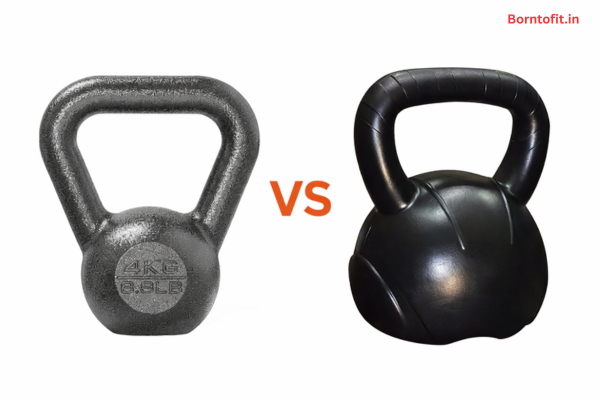
When fitness people start getting serious about strength training, conditioning, or functional workouts, one tool keeps showing up everywhere — the Kettlebell. It’s simple, powerful, and brutally effective. From swings and squats to carries and presses, a good kettlebell becomes part of your weekly routine. And that’s when the real question begins: Should you go for a solid metal option like the PROIRON Cast Iron Kettlebell, or choose something lighter-feeling and coated like the Protoner Polyvinyl Chloride Kettlebell?
Both kettlebells are popular among people who train at home or in basic gym setups. Both promise durability. Both help build strength. But they are not the same experience in your hands — and choosing the right one can make your workouts smoother, safer, and more enjoyable.
According to the American Council on Exercise (ACE), kettlebell workouts can burn up to 20 calories per minute during intense sessions, which is comparable to running a 6-minute mile — meaning these compact weights pack serious power into short workouts (Source: ACE Study — “Kettlebell Training Provides Powerful Workout”).
So let’s break down both options in a real-world way for fitness people who actually train — not just look at gear online.
1) PROIRON Cast Iron Kettlebell – An Overview
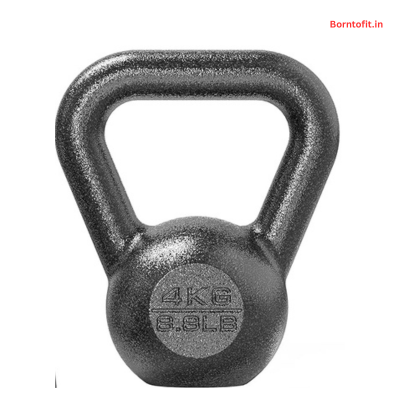
The PROIRON Cast Iron Kettlebell is a true old-school strength tool. It’s made from single-piece cast iron, meaning there are no joints, attachments, or outer shells. This matters because single-mold construction usually means better durability over years of training. The flat base helps the kettlebell sit firmly on the floor, which is useful for moves like renegade rows or kettlebell push-ups.
This kettlebell feels like something you’d find in a strength gym — raw, solid, and stable.
🔗Buy on Amazon
Price Range in India: ₹499 – ₹2,499
Key Features:
- 100% solid cast iron
- Single-mold construction (no welded parts)
- Flat base for stability
- Balanced weight distribution
- Textured iron grip
- Suitable for strength and conditioning work
Pros:
- Extremely durable long-term
- Classic kettlebell feel
- No coating to crack or peel
- Great for power movements like swings and cleans
- Stable during floor-based exercises
- Ideal for progressive strength training
Cons:
- Raw iron grip may feel tough on soft hands
- Can be hard on floors if dropped
- Slightly intimidating for beginners
- Sweat can make the handle slippery without chalk
Real User Reviews:
👉”I’ve owned this PROIRON Cast Iron Kettlebell for months, and it still feels as reliable as day one. Each swing feels smooth and controlled, and I never worry about weak spots or wobbling. It’s become a staple in my strength and conditioning routine.”
👉”From high-rep conditioning circuits to heavy strength days, this kettlebell handles everything. No chips, no cracks — just pure iron performance. You can feel the quality as soon as you pick it up. Fantastic choice for consistent training.”
2) Protoner Polyvinyl Chloride Kettlebell – An Overview
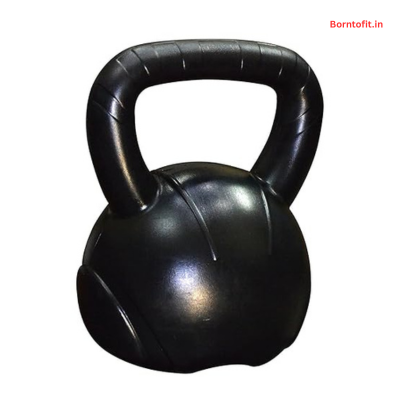
The Protoner Polyvinyl Chloride (PVC) Kettlebell is built differently. Instead of being solid bare metal on the surface, it has a PVC outer shell, usually covering a weighted core. This coating gives it a smoother, softer exterior feel that’s generally more comfortable for beginners or casual home users.
The PVC coating also protects floors better than raw iron — a big deal if you train on tiles, wood, or marble.
🔗Buy on Amazon
Price Range in India: ₹149 – ₹549
Key Features:
- PVC-coated shell over weighted interior
- Smooth exterior
- Color-coded designs in many cases
- Comfortable grip for light-to-moderate workouts
- Designed with beginners in mind
- Suitable for HIIT, cardio, and general strength workouts
Pros:
- Comfortable to hold
- Softer feel on hands and wrists
- Floor-friendly coating
- Beginner-friendly
- Affordable entry into kettlebell training
- Good for light strength and conditioning
Cons:
- PVC coating may wear over time
- Not as durable as cast iron
- Weighted core may not feel as balanced
- Slippery when sweaty
- Not ideal for heavy-intensity strength work
Real User Reviews:
👉”Whether I’m doing conditioning circuits or strength sets, this kettlebell handles it well. The balance feels solid, and the soft coating protects my floors and my skin. Excellent choice for versatile workouts.”\
👉”I was surprised by how sturdy this feels for a coated kettlebell. The grip is secure, and I don’t worry about dropping it on my tiles. Perfect for home training routines and HIIT sessions.”
Best Kettlebells for Full-Body Strength Training in 2026: Top 5 Picks
PROIRON Cast Iron vs Protoner Polyvinyl Chloride Kettlebell — Comparison Table
Feature | PROIRON Cast Iron Kettlebell | Protoner Polyvinyl Chloride Kettlebell |
|---|---|---|
Image | | |
Construction | 100% cast iron | Weighted core with PVC coating |
Durability | Very high | Moderate |
Grip Feel | Raw, textured iron | Smooth coated grip |
Beginner Friendly | Medium | High |
Floor Protection | Low | High |
Training Style | Strength, power, conditioning | General fitness & light-moderate workouts |
Balance & Stability | Excellent | Good |
Long-Term Wear | Minimal | Coating may degrade |
User Type | Intermediate to advanced | Beginner to intermediate |
User Ratings | 4.7/5 | 3.6/5 |
Buy |
Who Should Use These Kettlebells?
(i) PROIRON Cast Iron Kettlebell is best for:
- Fitness people who want serious strength development
- Users progressing toward heavier weights
- People doing kettlebell-specific training programs
- Those who value long-term durability
- Intermediate & advanced users
- Functional strength training enthusiasts
This kettlebell supports moves like:
- Heavy kettlebell swings
- Cleans & snatches
- Turkish get-ups
- Front rack squats
- Single-arm presses
It gives a stable, serious lifting feel that builds strength effectively.
(ii) Protoner PVC Kettlebell is best for:
- Beginners
- Light to moderate kettlebell training
- People training in small home spaces
- Users wanting a softer-feel kettlebell
- General fitness workouts
- Cardio circuits & HIIT
This kettlebell works great for:
- Light swings
- Goblet squats
- Basic shoulder presses
- Core exercises
- Stability drills
It’s fitness-friendly rather than hardcore strength-focused.
Who Should Avoid These Kettlebells?
(i) Avoid PROIRON Cast Iron if:
- You’re completely new and worried about tough handles
- You train barefoot on delicate flooring
- You prefer soft-touch equipment
(ii) Avoid Protoner PVC Kettlebell if:
- You plan to lift heavy long-term
- You want a kettlebell that lasts many years
- You prefer a traditional iron feel
- You care about ultra-stable weight balance
FAQs – PROIRON Cast Iron vs Protoner Polyvinyl Chloride Kettlebell
Q1: Which kettlebell lasts longer?
👉The cast iron PROIRON kettlebell usually lasts longer because it has no coating that can wear or crack.
Q2: Which is better for beginners?
👉The Protoner PVC kettlebell is often more forgiving for new users thanks to its softer feel.
Q3: Can both be used for swings and squats?
👉Yes — both work well for these movements, but cast iron may feel more balanced during high-intensity sets.
Q4: Do PVC kettlebells crack easily?
👉They generally hold up well for normal workouts, but long-term heavy use can wear the coating.
Q5: Which kettlebell feels more “professional”?
👉Most lifters consider the PROIRON cast iron kettlebell more like gym-grade training equipment.
Conclusion:
So, Which Kettlebell Should You Choose?
- Choose a PROIRON Cast Iron Kettlebell if you want a durable, traditional kettlebell that supports serious strength training and long-term progress.
- Choose a Protoner Polyvinyl Chloride Kettlebell if you’re a beginner, want a softer feel, and prefer something more home-friendly for lighter-intensity training.
- Think about your training goals: strength-focused lifters usually prefer cast iron, while casual fitness users appreciate the comfort of PVC-coated designs.
- Both kettlebells can help you build strength, burn calories, and improve conditioning — the best one is the one that matches your style and keeps you consistent.
So, which kettlebell feels right for your workouts and fitness journey?