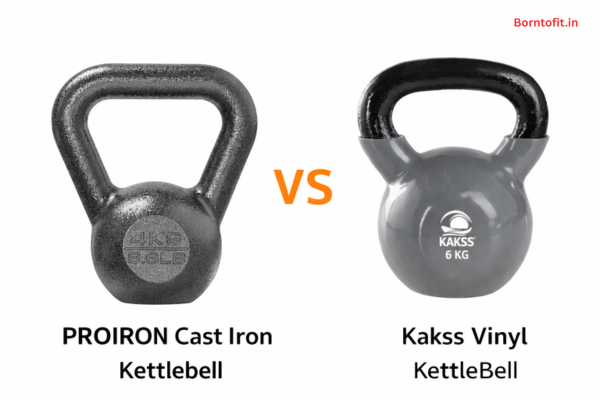
When you get serious about strength training, the right KettleBell can make all the difference — whether you’re grinding through swings, goblet squats, or conditioning circuits at home. And if you’ve been searching online, you’ve probably seen two names pop up over and over again: the PROIRON Cast Iron KettleBell and the Kakss Vinyl KettleBell. Both promise durability, balance, and solid performance, but they don’t exactly deliver the same training experience. One is all-metal and built like a tank, while the other softens things up with a vinyl coating that’s kinder to your hands and floors.
For fitness people trying to choose the right KettleBell for daily workouts, classes, or progressive strength training, understanding the real differences — not just marketing talk — matters. So let’s break down how these two stack up in the real world, what users actually say about them, and which one truly fits your training style.
1) PROIRON Cast Iron Kettlebell – An Overview
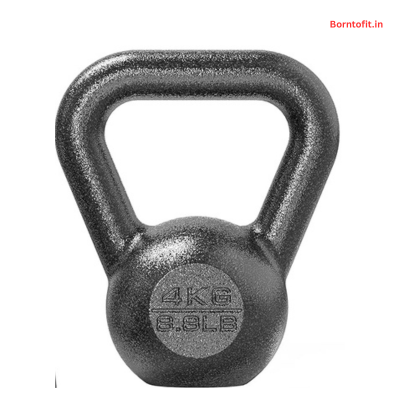
The PROIRON Cast Iron Kettlebell is a straightforward, raw-power piece of fitness equipment. Built from 100% cast iron, it’s designed for athletes who value simplicity and durability in one solid package. According to the brand’s specs, it’s available in key weights like 4kg, 8kg, 12kg, 16kg, 20kg, and 24kg — perfect for progressive training as you increase strength.
🔗Buy on Amazon
Price Range in India: ₹499 – ₹2,499
Key Features:
- Material: Solid cast iron, seamless and heavy.
- Handle: Wide, smooth grip for comfortable handling during swings or presses.
- Base: Flat bottom offers balance and stability for upright storage or renegade row routines.
- Versatility: Great for strength exercises — deadlifts, squats, swings, and Turkish get-ups.
Pros:
- Sturdy & simple: No flimsy parts or coatings to wear off. Excellent for long-term use.
- Natural feel: The raw cast iron feel can be satisfying for experienced lifters.
- Balanced design: Strong weight distribution makes it good for technical moves like snatches.
Cons:
- Hard on floors: Cast iron will dent tiles and wood if dropped.
- Grip strength: Without coating, sweat can make handles slippery.
- Not beginner-friendly: Might feel intimidating to new kettlebell users.
Real User Reviews:
👉”I’ve been training with the PROIRON Cast Iron for about six months now, and it’s honestly one of the best additions to my home gym. The weight feels balanced in every move, from swings to Turkish get-ups. I’ve dropped it plenty of times, and there’s zero damage to the bell. If you want a no-nonsense piece of equipment that just works, this is it.”
👉”The first thing I noticed was the feel — it just feels right. The handle is smooth but not slippery, and the weight distribution is spot on. I added heavier bells over time, and each one feels consistently made. None of that weird wobble you get with cheaper kettlebells. Very happy with this purchase!”
2) Kakss Vinyl KettleBell – An Overview
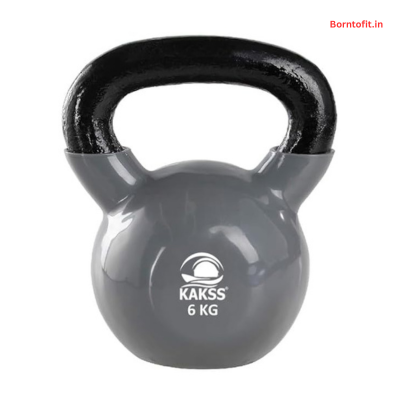
The Kakss Vinyl KettleBell brings a slightly different flavor: cast iron core wrapped in a vinyl coat. This can be especially appealing if your training includes indoor kettlebell classes, lighter cardio circuits, or if you simply want a more forgiving surface that’s easier on floors.
🔗Buy on Amazon
Price Range in India: ₹349 – ₹2,349
Key Features:
- Material: Cast iron core with multicolor vinyl coating — helping protect floors and reduce noise.
- Weight Range: Typically 2kg up to 48kg variants available, giving flexibility from warm-ups to heavy circuits.
- Handle: Textured, wide, curved for secure hold.
- Color-Coding: Makes it easy to pick the right weight quickly for high-intensity training.
Pros:
- Floor-friendly: Vinyl coating reduces floor dents and noise — great for home gyms.
- Better grip comfort: Softer feel, which many beginners and intermediate lifters appreciate.
- Weight variety: Lots of options from light to heavy, so you can scale up your program.
Cons:
- Durability of coating: Vinyl can wear off over time with heavy use.
- Less “raw” feel: Some lifters prefer the uncoated metal feel for performance.
- Weight tolerance: Some foam/grip issues reported if dropped repeatedly.
Real User Reviews:
👉”I picked up the Kakss Vinyl for my home workouts, and I love how smooth it feels on my hands — especially compared to bare metal. The vinyl coating also protects my living room floor from scratches and noise, which is a huge bonus. Perfect for swings, goblet squats, and snatches without worrying about damage.”
👉”Whether I’m doing a quick HIIT session or focused strength training, this KettleBell performs really well. The textured handle gives a secure grip even when I’m sweating hard. I’ve used it for cleans, presses, and core drills — super versatile and comfortable. It’s quickly become a staple in my kettlebell routine.”
Best Kettlebells for Full-Body Strength Training in 2026: Top 5 Picks
PROIRON Cast Iron vs Kakss Vinyl KettleBell – Comparison Table
Feature | PROIRON Cast Iron | Kakss Vinyl KettleBell |
|---|---|---|
Image | | |
Material | Cast iron, raw feel | Cast iron core + vinyl coating |
Grip | Smooth, natural raw grip | Textured vinyl grip |
Floor Safety | Low (can dent floors) | High (protective coating) |
Noise Level | Loud when dropped | Less noise, softer landing |
Best For | Functional strength & power | Home workouts & cardio circuits |
Beginner Friendly | Medium | High |
Long-Term Wear | Excellent | Good, dependent on coating |
User Ratings | 4.7/5 | 4.5/5 |
Buy |
Who Should Use These Kettlebells?
PROIRON Cast Iron – Perfect For:
- Strength Athletes: Those who train for power swings, heavy goblet squats, and functional strength.
- Experienced Users: If you’re comfortable with raw grip and need maximum durability.
- Gym Owners: Frequent use won’t degrade metal surfaces — ideal for commercial settings.
Kakss Vinyl KettleBell – Perfect For:
- Beginners & Intermediate Lifters: Softer feel and forgiving grip surface make learning kettlebell moves easier.
- Home Gyms: Vinyl coating protects flooring and reduces noise, ideal for apartments or carpeted areas.
- Multi-weight Circuits: Color coding and varied weights help with fast transitions in HIIT or endurance sessions.
Who Should Avoid These Kettlebells?
Avoid PROIRON If:
- You’re setting up a home gym with delicate flooring.
- You don’t yet have confidence with raw iron grips.
Avoid Kakss Vinyl If:
- You prefer the raw barbell-like feel for power work.
- You train in environments where vinyl may wear off from daily drops.
FAQs – PROIRON Cast Iron vs Kakss Vinyl KettleBell
Q1: Are both kettlebells suitable for swings and snatches?
👉Yes, both can be used for all classic kettlebell movements, but grip feel differs — PROIRON gives a raw iron touch, while Kakss Vinyl feels softer.
Q2: Which is better for apartment floors?
👉Kakss Vinyl wins here since its coating reduces noise and protects surfaces.
Q3: Do either of these come in very heavy weights?
👉Kakss Vinyl kettlebells reportedly go up to 48kg — great for strength progression.
Q4: Is one more durable than the other?
👉Cast iron alone (PROIRON) generally lasts longer — no coating that can peel.
Q5: Which is more beginner-friendly?
👉Kakss Vinyl due to its comfortable grip and forgiving surface.
Conclusion:
So, Which KettleBell Should You Choose?
- Go for the PROIRON Cast Iron KettleBell if you want a tough, no-nonsense KettleBell that feels solid in the hand, supports heavy strength training, and can handle years of hard workouts without coating wear or cosmetic damage.
- Choose the Kakss Vinyl KettleBell if comfort, floor protection, and grip friendliness matter more to you — especially if you train at home, prefer lighter-to-moderate weights, or are still building your kettlebell technique.
- Think about your training space and style: raw iron is amazing for power and durability, while vinyl-coated bells are quieter, softer on contact, and more beginner-friendly.
- Both KettleBells can level up your workouts, so the best choice really depends on whether you value rugged performance or a slightly gentler workout experience.
So, which KettleBell style feels right for the way you train and the space you train in?